


 English
 русский
 Español
 عربى
عربى 中文简体
中文简体

FTTH バタフライ光ケーブル: 実用的な設計、設置、導入ガイド
What Are FTTH Butterfly Optic Cables
FTTH Butterfly Optic Cables, also known as flat drop fiber cables, feature a compact flat profile with optical fibers placed at the center and reinforced by parallel strength members on both sides. The outer sheath is typically LSZH or PVC, optimized for indoor and outdoor environments. This structural design enhances tensile strength while maintaining flexibility, which is critical for residential and commercial fiber access networks.
These cables are widely used in FTTH networks, fiber optic drop cable systems, and building entry solutions where space efficiency and mechanical reliability are required. Compared to traditional round cables, the butterfly configuration reduces bending stress and simplifies routing along walls, corners, and conduits.
Structural Design and Materials
Core Fiber Options
FTTH Butterfly Optic Cables typically use single-mode fibers such as G.657A1 or G.657A2, which offer superior bend resistance. These fibers are optimized for tight indoor routing and reduce signal loss in compact installation environments.
Strength Members and Sheathing
- FRP or steel wire strength members provide high tensile performance for aerial and indoor pulling.
- LSZH jackets improve fire safety and reduce toxic emissions in indoor fiber optic installations.
- UV-resistant PE sheaths allow outdoor and wall-mounted FTTH cable routing.
Advantages in FTTH Network Deployment
FTTH Butterfly Optic Cables provide a balance between durability and ease of installation. Their flat geometry prevents rolling and twisting during deployment, which significantly reduces installation time and labor costs in fiber access projects.
- Space-saving design suitable for indoor fiber distribution boxes and wall-mounted routing
- Improved bending performance for tight turns in apartments and office buildings
- High tensile strength for aerial FTTH drop cable installations
Typical Application Scenarios
These cables are widely deployed in last-mile fiber optic solutions where reliability and neat appearance are required. Common scenarios include residential FTTH access, commercial building fiber distribution, and campus network expansions.
| Application Area | Installation Environment | Key Benefit |
| Residential FTTH | Indoor / Outdoor | Easy routing and low signal loss |
| Commercial Buildings | Indoor shafts and corridors | Compact layout and fire safety |
| Aerial Drops | Outdoor spans | High tensile performance |
Installation Best Practices
Proper installation is essential to maintain optical performance and mechanical integrity. Installers should follow recommended bend radius guidelines and avoid excessive pulling forces during deployment.
- Use appropriate fiber clamps for flat drop cable profiles
- Maintain minimum bend radius, especially near terminals and ONT locations
- Secure cables evenly to prevent localized stress points
Selecting the Right FTTH Butterfly Optic Cable
Choosing the correct cable specification depends on installation environment, distance, and regulatory requirements. Factors such as fiber type, jacket material, and strength member composition directly affect long-term network performance.
For indoor-only projects, LSZH flat fiber drop cables are recommended. Mixed indoor-outdoor deployments benefit from UV-resistant jackets and enhanced tensile designs. Understanding these parameters ensures compatibility with existing FTTH infrastructure and reduces maintenance costs.
Future Trends in FTTH Butterfly Optic Cables
As gigabit broadband and smart home adoption continue to grow, FTTH Butterfly Optic Cables are evolving to support higher fiber counts, improved bend resistance, and faster installation techniques. Manufacturers are also focusing on eco-friendly materials and pre-terminated solutions to further simplify deployment.
These developments position butterfly optic cables as a long-term solution for scalable fiber access networks, supporting increasing bandwidth demands while maintaining cost efficiency.
' target="_blank"> FTTHバタフライ光ケーブル は、高速ファイバー・ツー・ザ・ホーム展開に対する需要の高まりに応えるように特別に設計されています。光ファイバーと強度部材を組み合わせた平らな蝶の形の構造により、屋内配線、ドロップケーブルの設置、ラストワンマイルのネットワーク構築に最適です。この記事では、ネットワーク プランナー、設置担当者、調達チームが情報に基づいた意思決定を行えるように、実際の導入、構造的特徴、パフォーマンス上の利点、および実際のアプリケーション シナリオに焦点を当てています。FTTHバタフライ光ケーブルとは
フラット ドロップ ファイバー ケーブルとしても知られる FTTH バタフライ光ケーブルは、光ファイバーが中央に配置され、両側が平行な強度部材で補強されたコンパクトなフラット プロファイルを特徴としています。通常、外側のシースは LSZH または PVC で、屋内および屋外環境向けに最適化されています。この構造設計により、住宅用および商用のファイバー アクセス ネットワークにとって重要な柔軟性を維持しながら、引張強度が向上します。
これらのケーブルは、スペース効率と機械的信頼性が必要とされる FTTH ネットワーク、光ファイバー ドロップ ケーブル システム、およびビルディング エントリ ソリューションで広く使用されています。従来の丸型ケーブルと比較して、バタフライ構成により曲げ応力が軽減され、壁、隅、導管に沿った配線が簡素化されます。
構造設計と材料
コアファイバーのオプション
FTTH バタフライ光ケーブルは通常、優れた耐屈曲性を備えた G.657A1 や G.657A2 などのシングルモード ファイバを使用します。これらのファイバーは、屋内のタイトなルーティング向けに最適化されており、コンパクトな設置環境での信号損失を軽減します。
強度メンバーと外装
- FRPまたは鋼線の強度部材は、空中および屋内での引っ張りに高い引張性能を提供します。
- LSZH ジャケットは、屋内光ファイバー設備における火災安全性を向上させ、有毒物質の排出を削減します。
- 耐紫外線性 PE シースにより、屋外および壁掛けの FTTH ケーブル配線が可能になります。
FTTHネットワーク導入の利点
FTTH バタフライ光ケーブルは、耐久性と設置の容易さのバランスを提供します。平らな形状により、導入時の転がりやねじれが防止され、ファイバー アクセス プロジェクトにおける設置時間と人件費が大幅に削減されます。
- 屋内ファイバー配電ボックスや壁掛け配線に適した省スペース設計
- マンションやオフィスビルの小回り時の曲げ性能向上
- 空中 FTTH ドロップ ケーブルの設置に適した高い引張強度
典型的なアプリケーションシナリオ
これらのケーブルは、信頼性と整った外観が要求されるラストワンマイルの光ファイバー ソリューションに広く導入されています。一般的なシナリオには、住宅の FTTH アクセス、商業ビルのファイバー配線、キャンパス ネットワークの拡張などがあります。
| 応用分野 | 設置環境 | 主な利点 |
| 住宅用FTTH | 屋内/屋外 | 配線が簡単で信号損失が少ない |
| 商業ビル | 屋内シャフトと廊下 | コンパクトなレイアウトと火災安全性 |
| エアリアルドロップ | 屋外スパン | 高い引張性能 |
インストールのベストプラクティス
光学性能と機械的完全性を維持するには、適切な取り付けが不可欠です。設置者は、推奨される曲げ半径のガイドラインに従い、展開中に過度の引っ張り力を避ける必要があります。
- フラット ドロップ ケーブル プロファイルに適切なファイバー クランプを使用する
- 特に端末やONTの場所の近くでは、最小の曲げ半径を維持します。
- 局所的なストレスポイントを防ぐためにケーブルを均等に固定します
適切な FTTH バタフライ光ケーブルの選択
正しいケーブル仕様の選択は、設置環境、距離、規制要件によって異なります。ファイバーの種類、ジャケットの材質、強度部材の構成などの要因は、長期的なネットワークのパフォーマンスに直接影響します。
屋内専用プロジェクトの場合は、LSZH フラット ファイバー ドロップ ケーブルをお勧めします。屋内と屋外が混在する展開では、耐紫外線ジャケットと強化された引張設計のメリットが得られます。これらのパラメータを理解することで、既存の FTTH インフラストラクチャとの互換性が確保され、メンテナンス コストが削減されます。
FTTHバタフライ光ケーブルの今後の動向
ギガビット ブロードバンドとスマート ホームの普及が進むにつれて、FTTH バタフライ光ケーブルは、より多くのファイバー数、改善された耐屈曲性、より迅速な設置技術をサポートするために進化しています。メーカーは、導入をさらに簡素化するために、環境に優しい材料や終端処理済みのソリューションにも注力しています。
これらの開発により、バタフライ光ケーブルはスケーラブルなファイバ アクセス ネットワークの長期的なソリューションとして位置付けられ、コスト効率を維持しながら増大する帯域幅需要をサポートします。
関連商品
-
光位相導体OPPCケーブル
-
GYXTW 中央チューブ装甲屋外光ケーブル
-
光ファイバーパッチケーブル
-
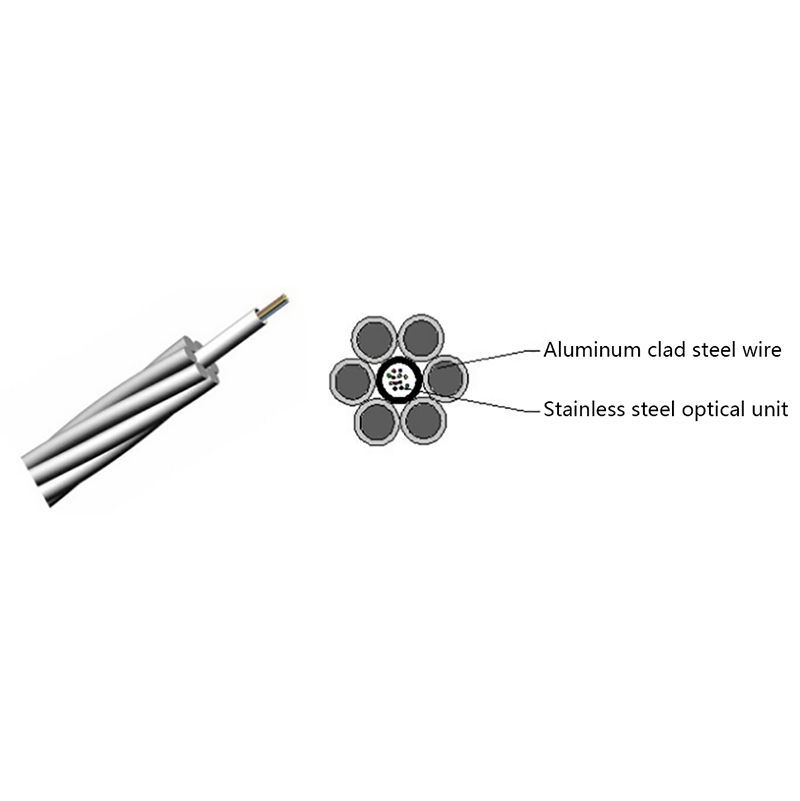
OPGW 光ファイバー複合架空地線
-
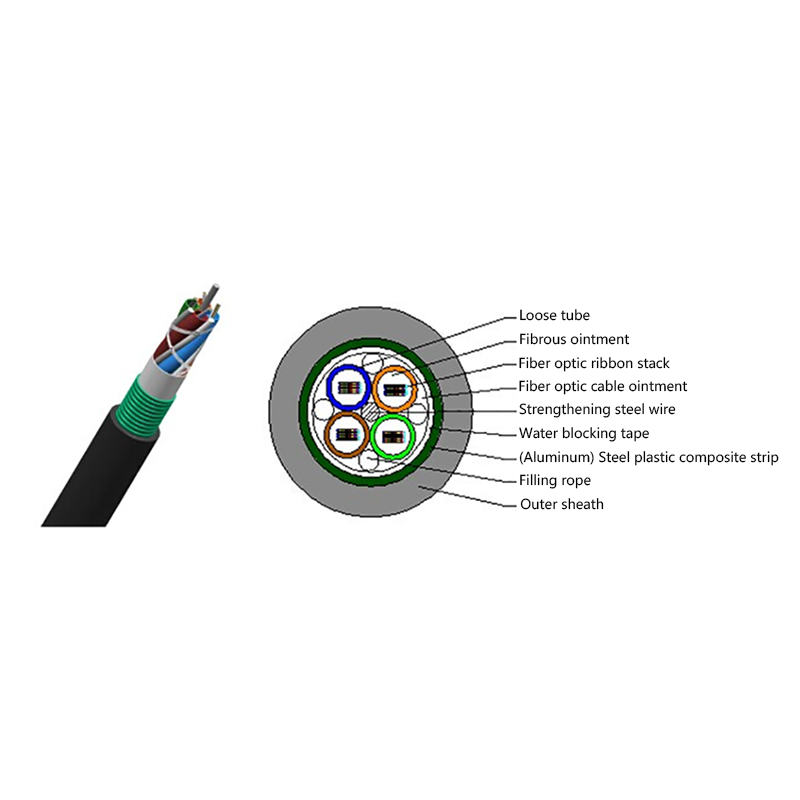
GYDTA(S)層光ファイバ撚りリボンケーブル
-
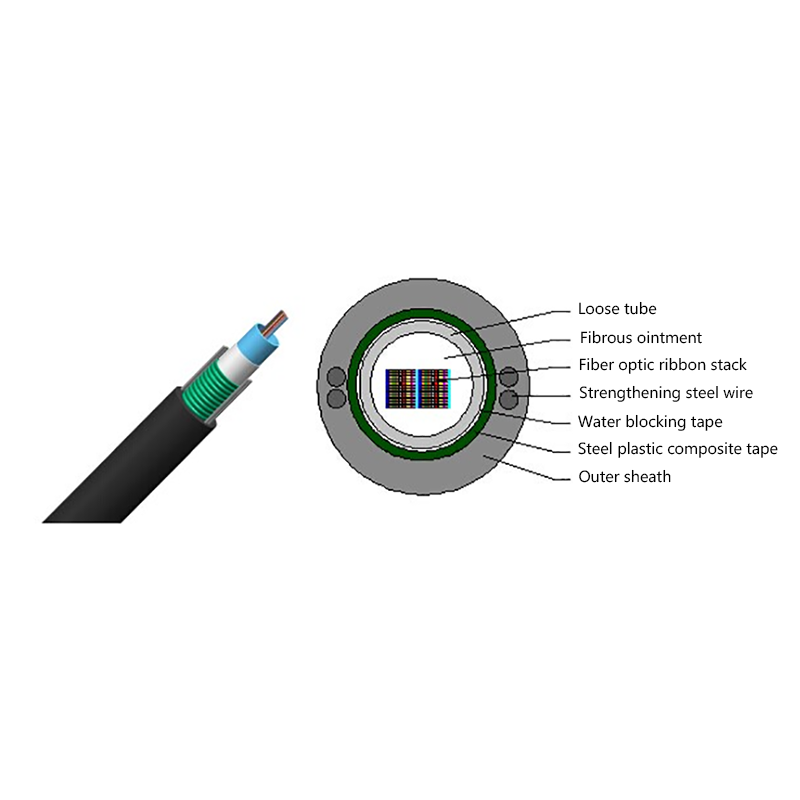
GYDXTW センターチューブ屋外用光ファイバーリボンケーブル
-
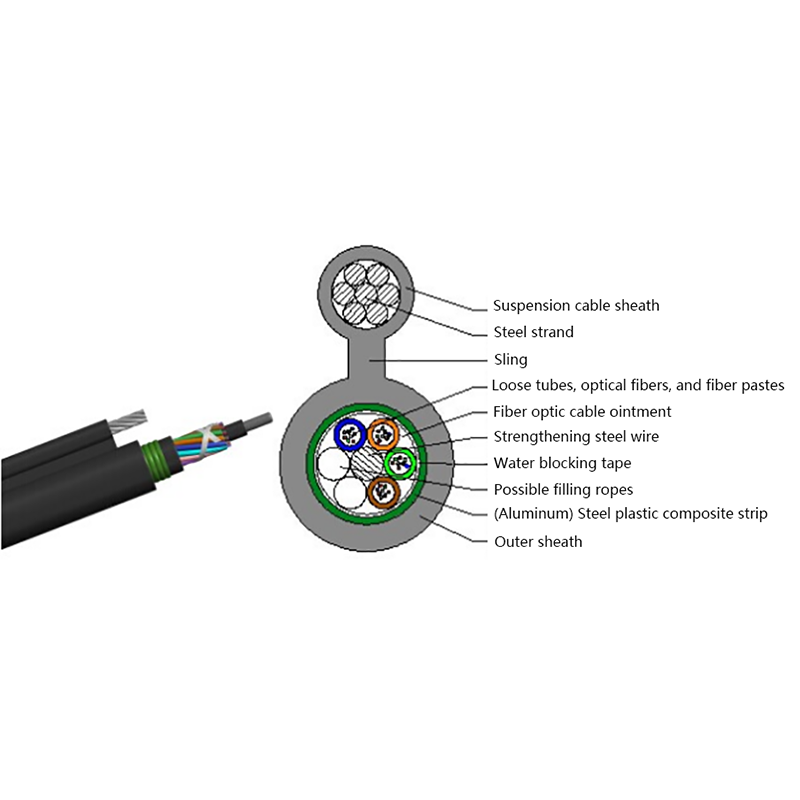
GYTC8A(S) 屋外層より線8形自立光ケーブル
-
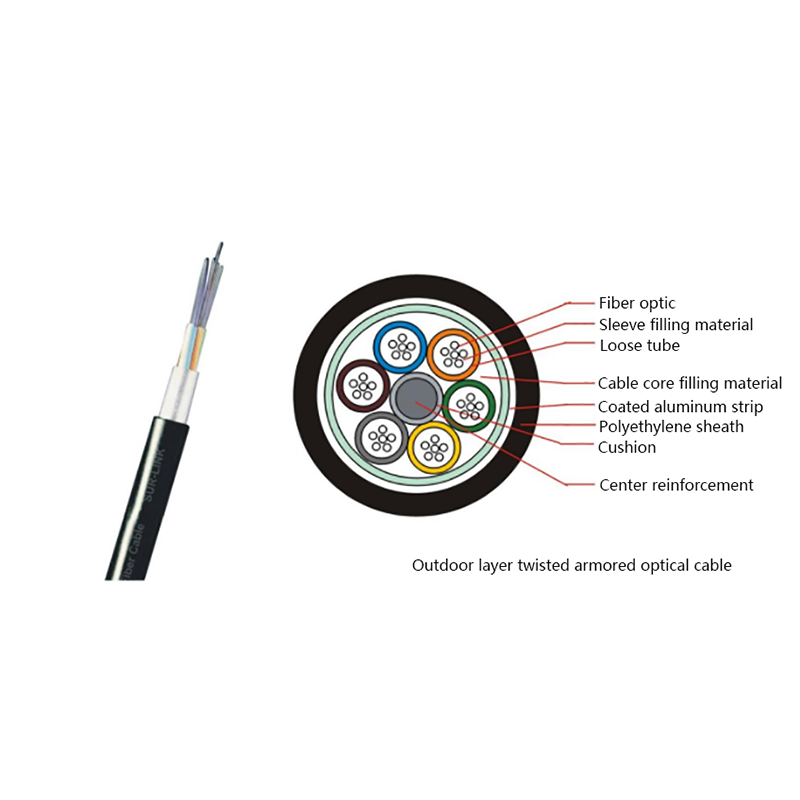
GYTA層撚りアルミニウム-ポリエチレン結合シース屋外用光ケーブル
-
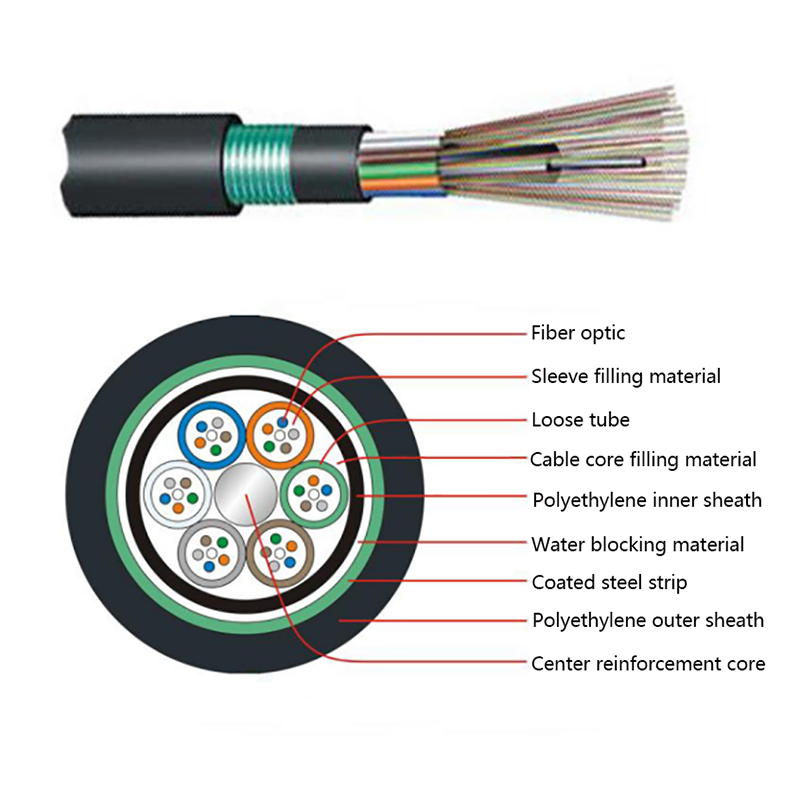
GYTY53 層撚り PE インナーシース鋼テープ外装アウターシース光ケーブル
-
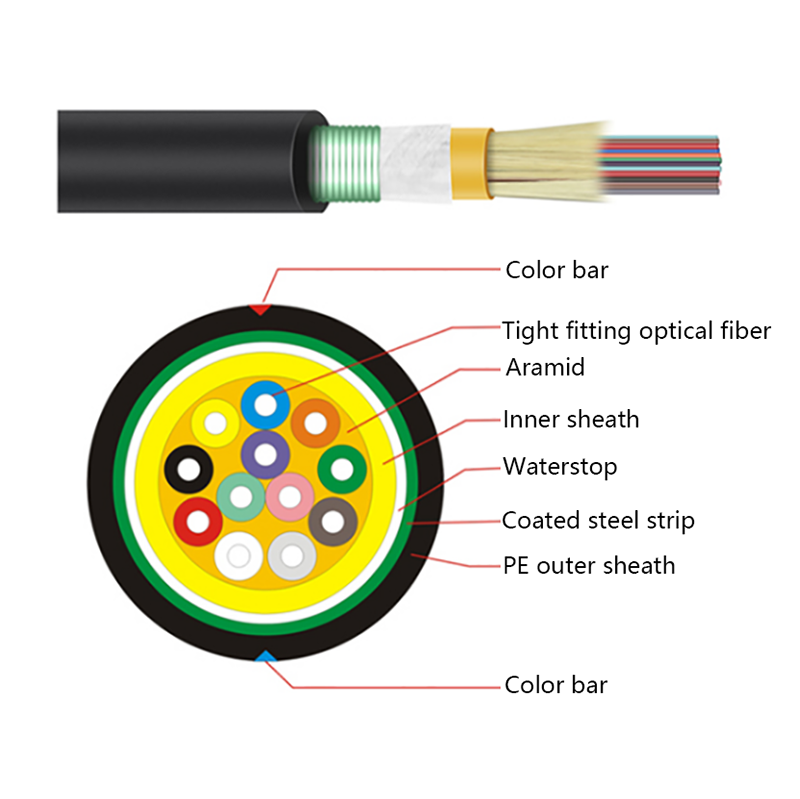
GJFJH53 屋内用束ねられたスチールテープ外装光ケーブル
-
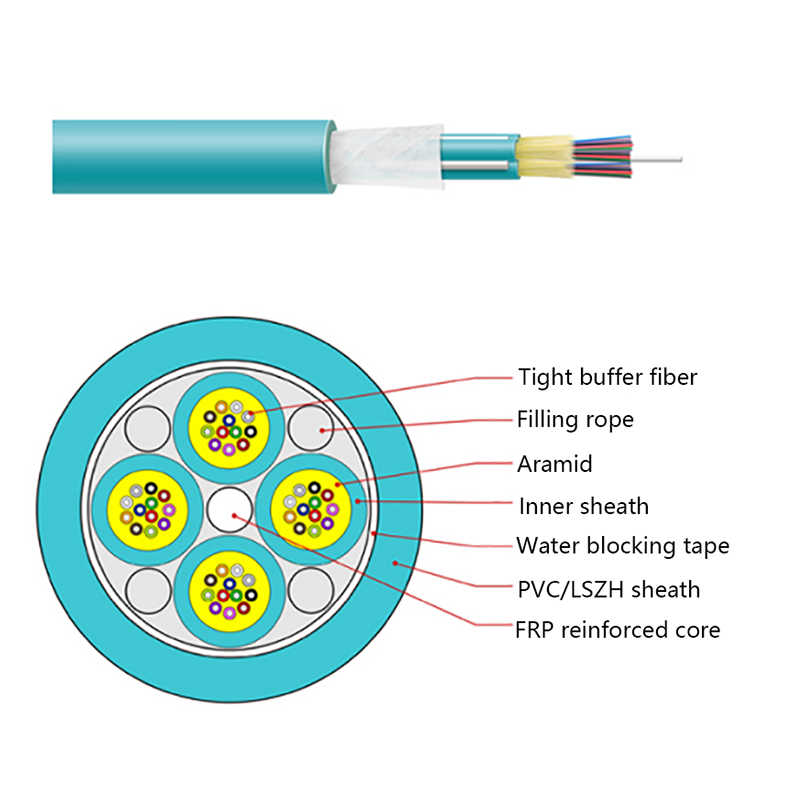
GJPFJV GJFJHV 屋内分岐光ケーブル
-
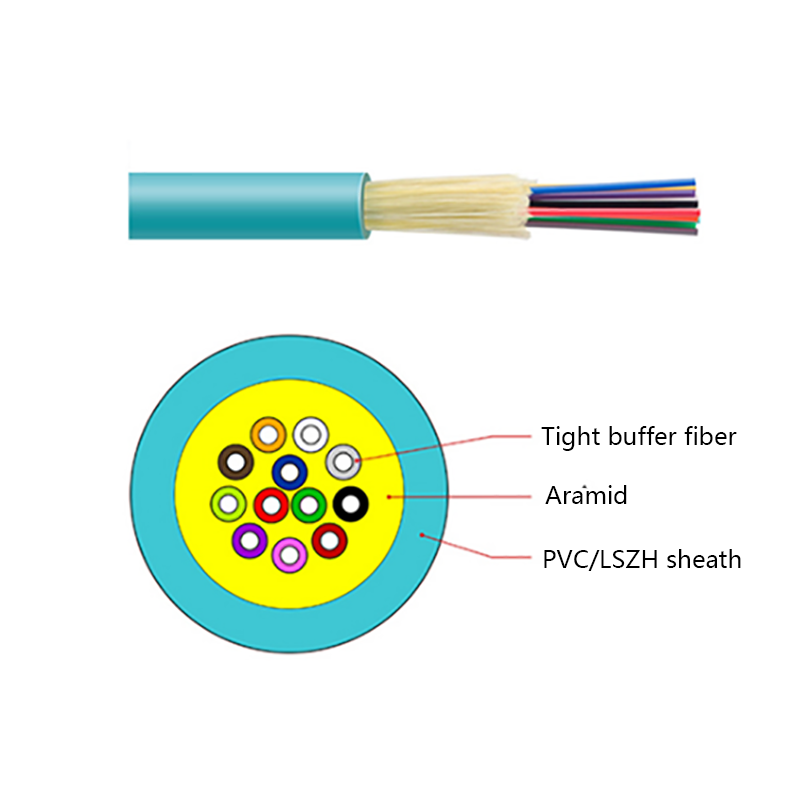
GJFJV 屋内シングルバンドル光ファイバケーブル
-
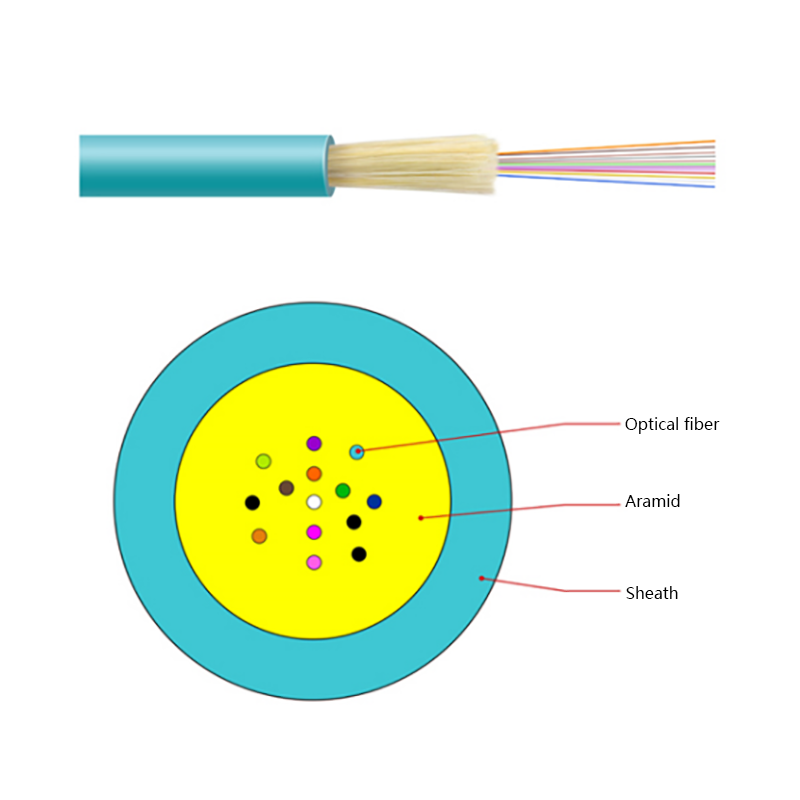
GJFV 屋内用ミニバンドル光ファイバーケーブル
-
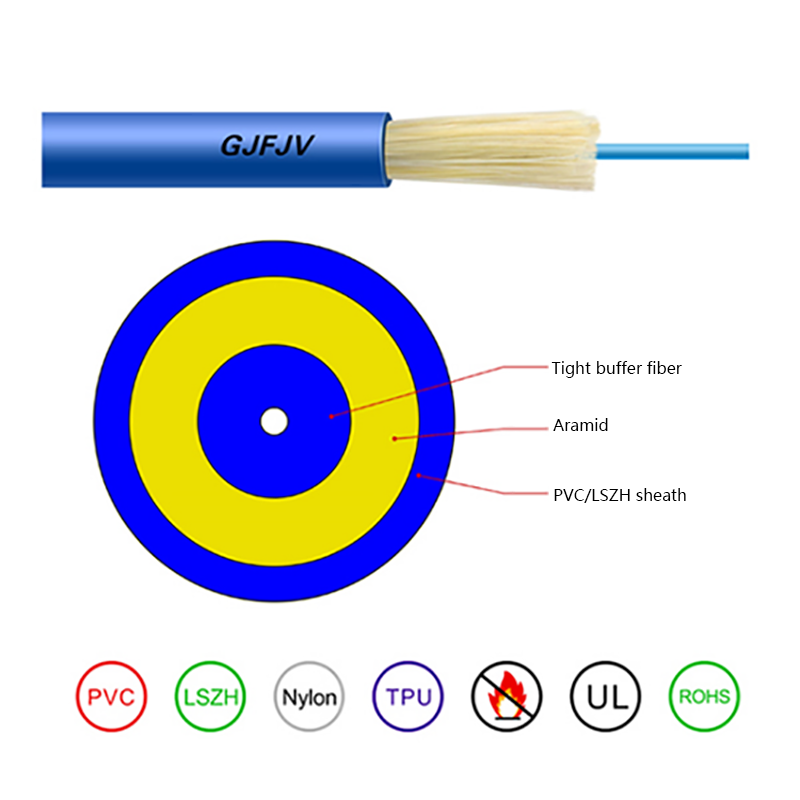
GJFJV 屋内用単芯ジャンパ線光ケーブル
-
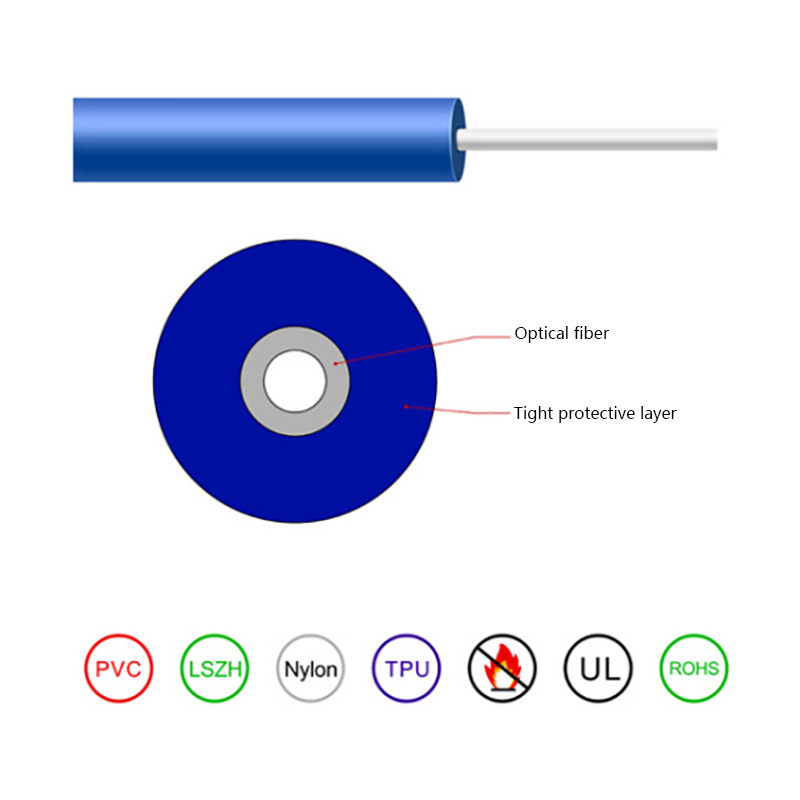
屋内用タイトバッファ光ファイバーケーブル
-
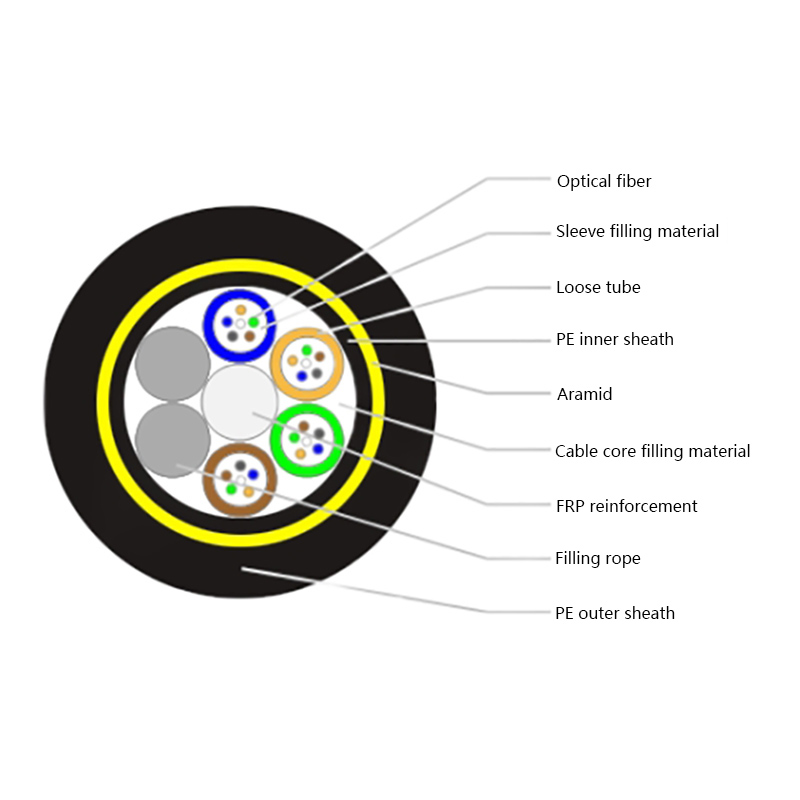
ADSS—全誘電体自立型光ケーブル
-
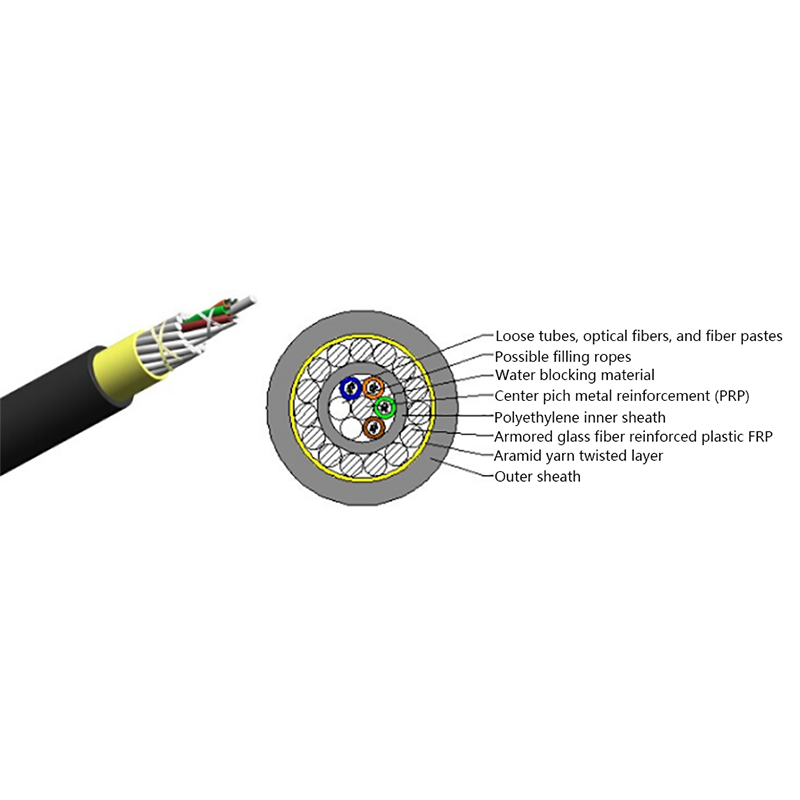
リス防止ADSS光ケーブル
-
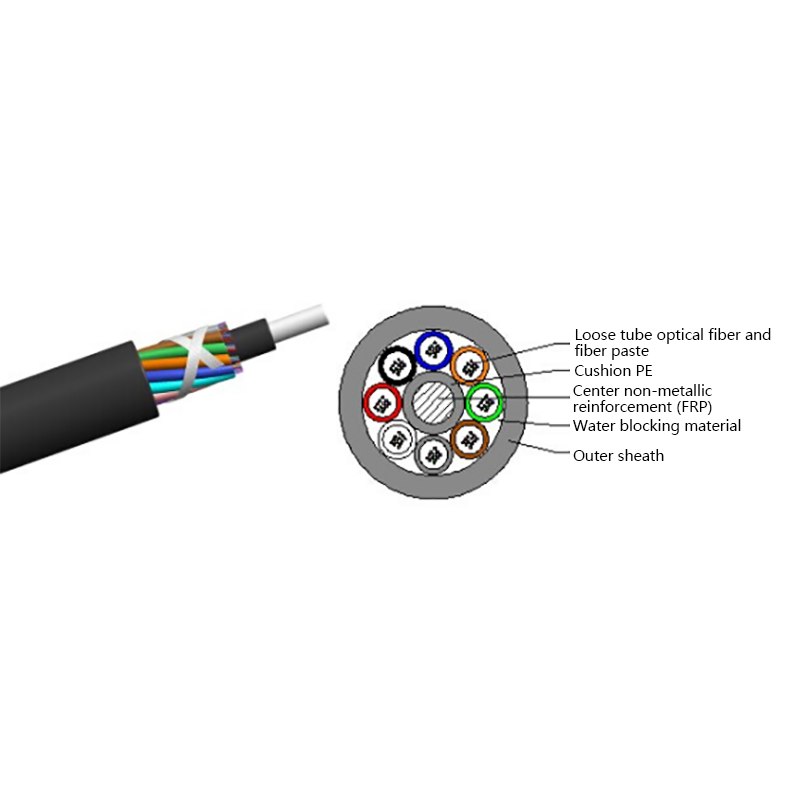
非金属光ケーブル
ビジネスチャンスをお探しですか?
今日の電話リクエスト

- Tel: +86-139-6297-6666
- Whatsapp: +86-13962991888
- E-mail: [email protected] / [email protected]
- Add: 中国江蘇省南通経済技術開発区新京路18号